About the Game
Overnight is a psychological narrative horror experience exploring memory, guilt, and the quiet violence of denial.
The Apartment
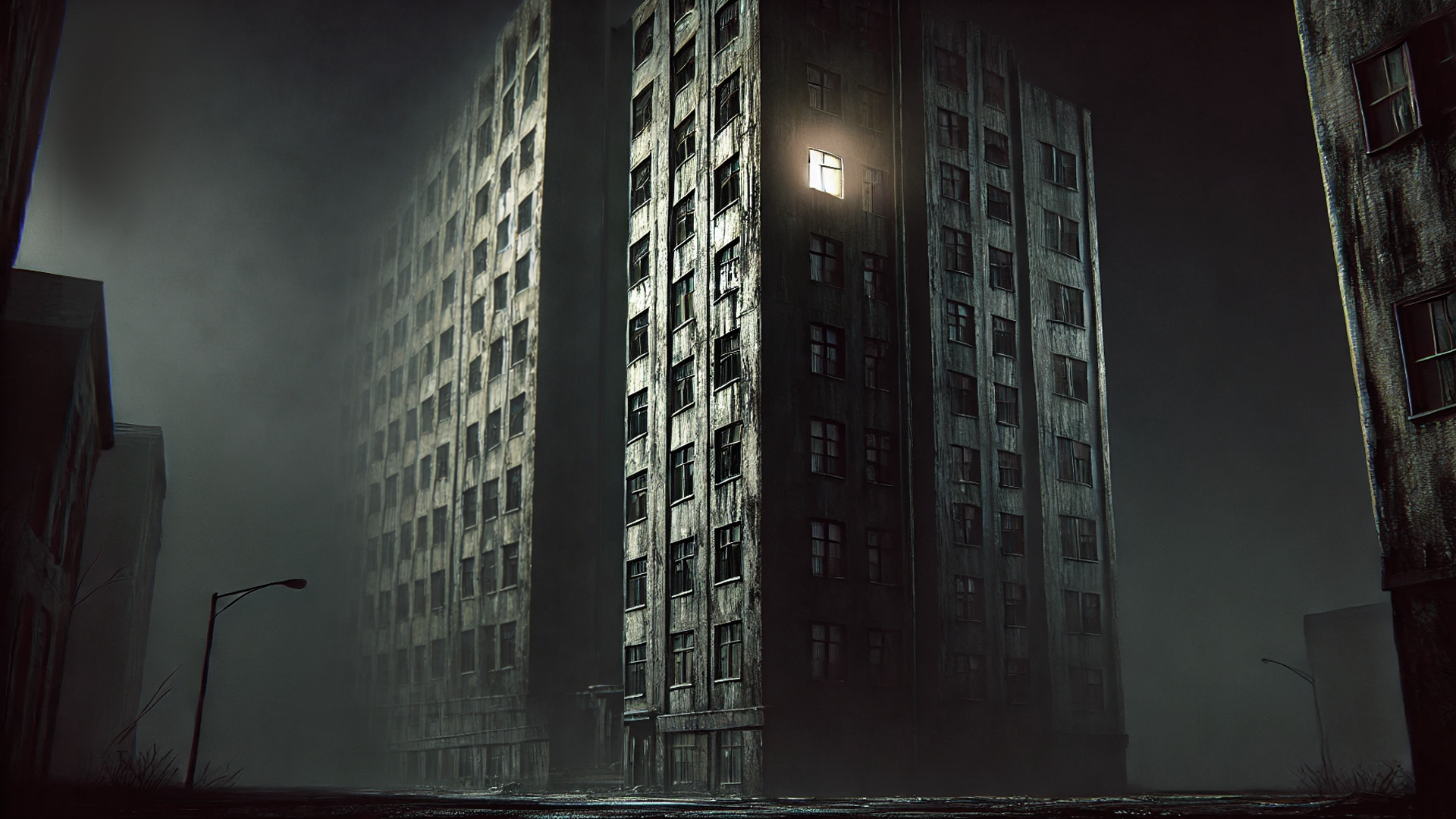
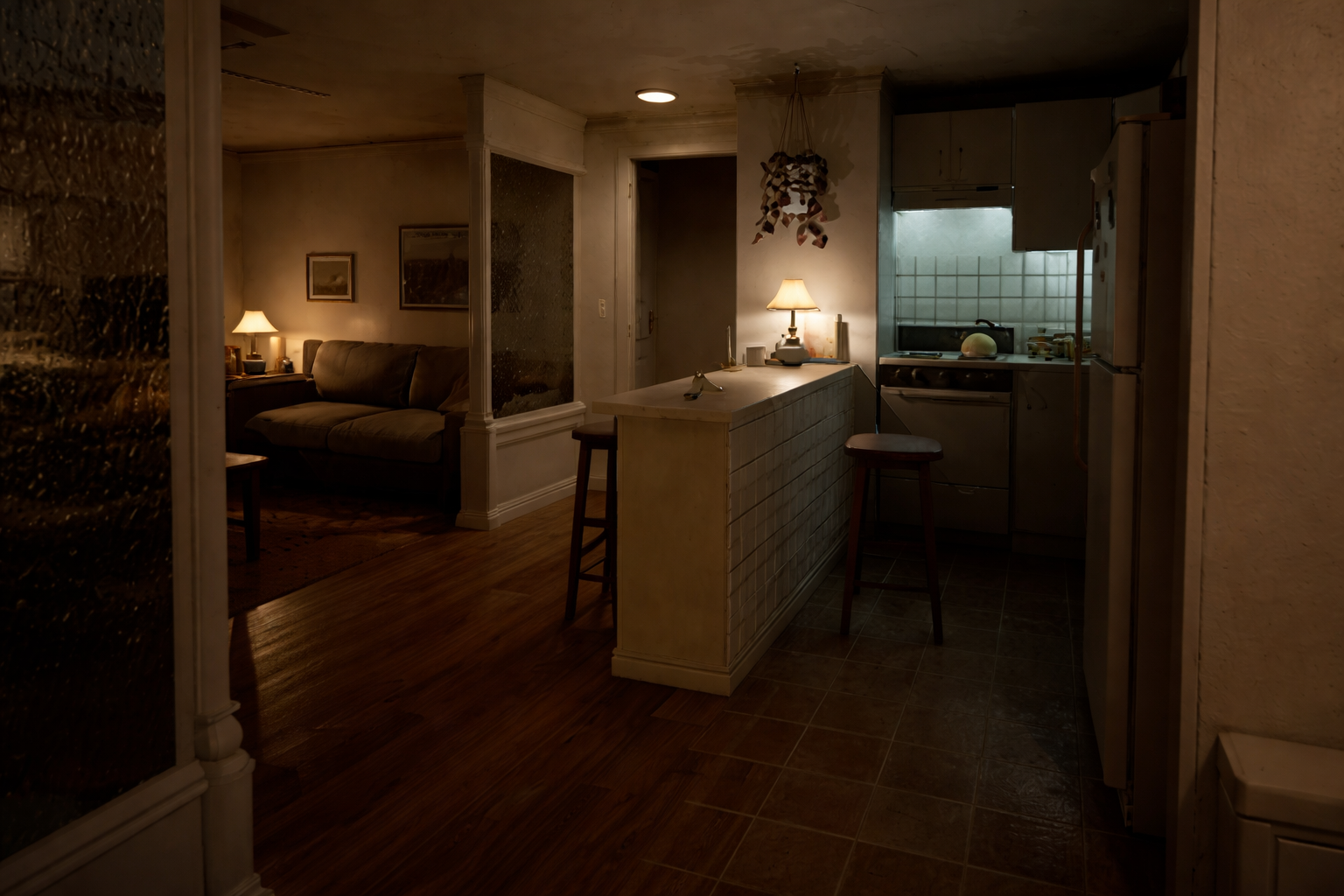
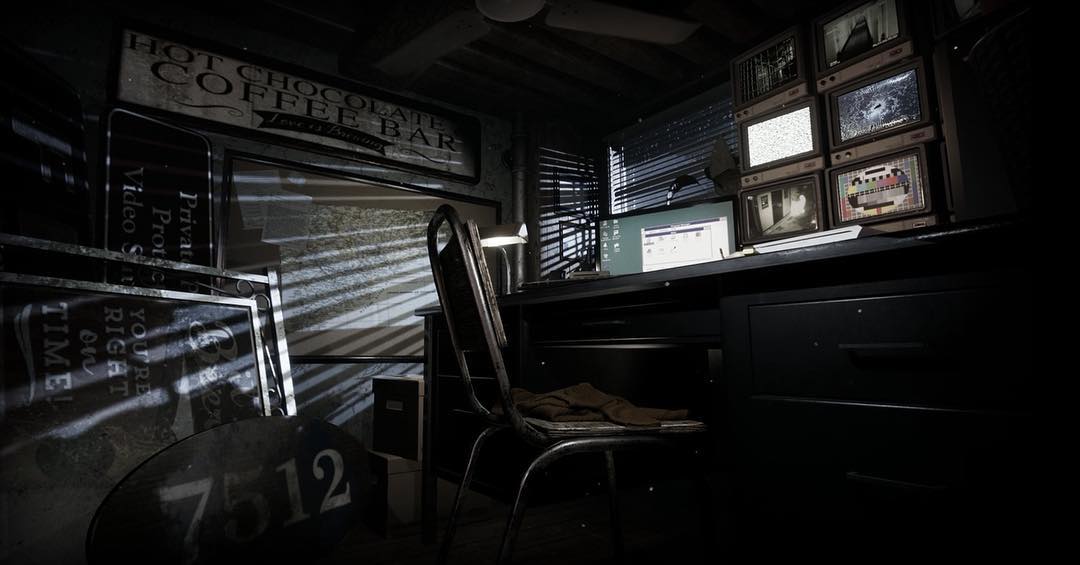
Alone, you awaken in an unfamiliar apartment. Photographs are missing, personal belongings absent, and evidence of a life once lived seems erased.
Moving boxes scatter across the floor, while a radio murmurs fragments of static. At the hallway's end, a door stands secured with twelve locks. The atmosphere feels inhabited yet offers no comfort.
Identity and Memory
The name James Everhart surfaces, though certainty is fleeting. Something irreversible occurred, leaving details unsettled. Behind each lock, fragments once hidden lie in unstable reconstructions shaped by distortion, regret, and selective truth.
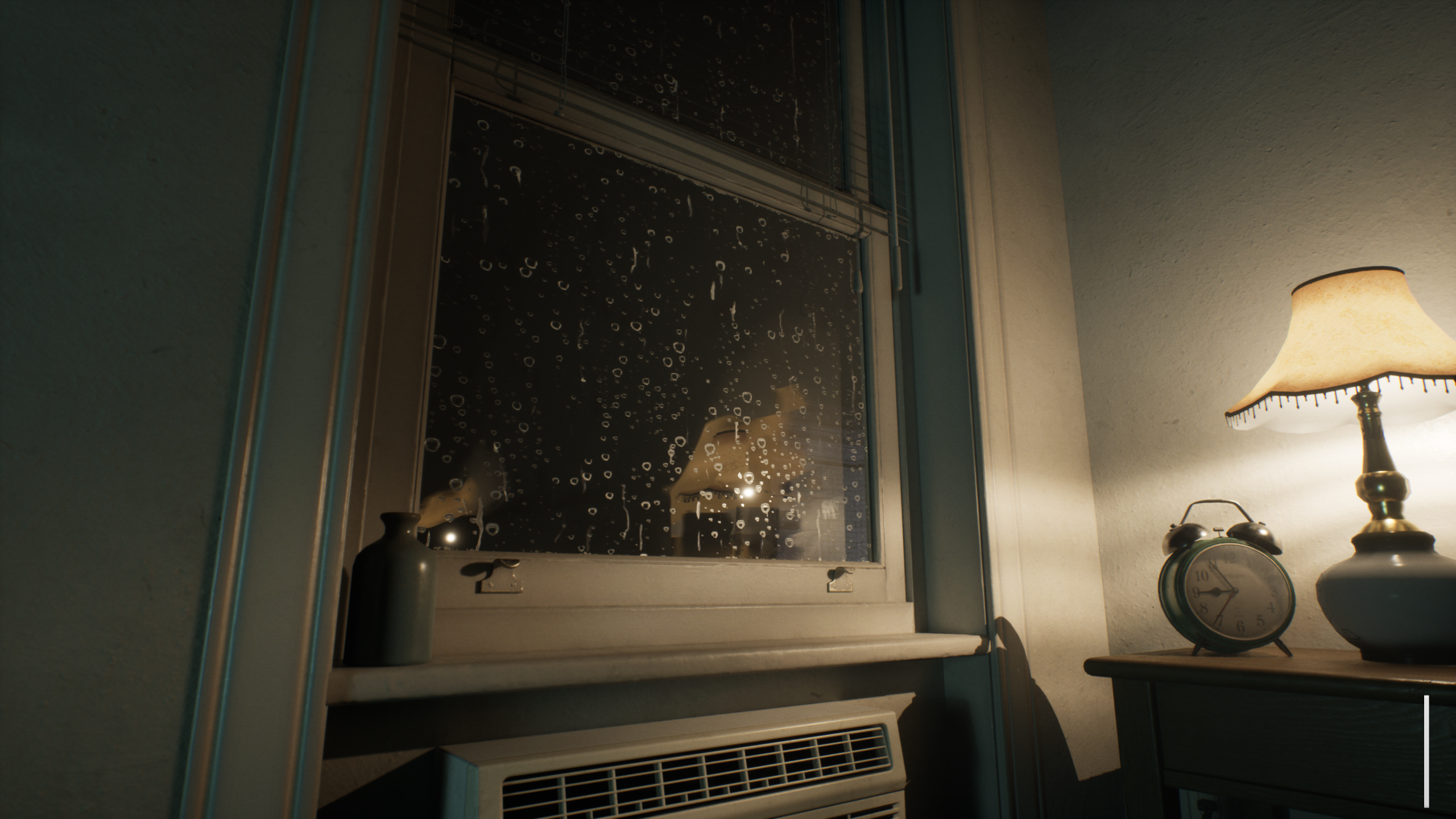
Keys are earned from these memories, gradually weighing down the hallway. Subtle changes shift the apartment: a door slightly ajar, an unexpected sound, anomalies that grow increasingly unsettling.
Psychological Confrontation
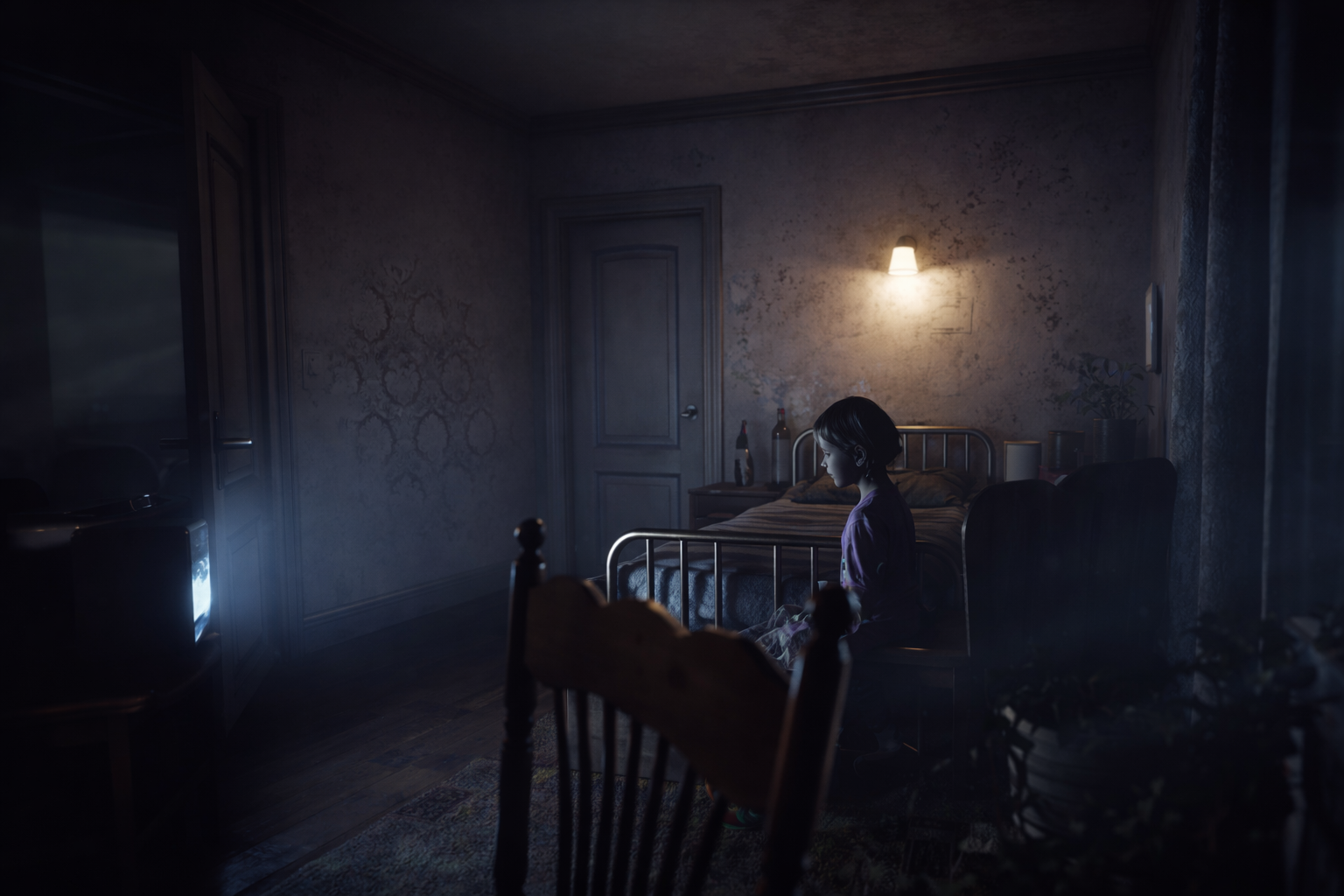
Sudden psychological ruptures disrupt control. Shadows move where they shouldn't, and presences appear behind you. Familiarity transforms into threat. Hunting is absent; confrontation takes its place.
The final door awaits, its opening revealing not a creature, demon, or curse, but something far more intimate. Questions of what happened fade, leaving only what you are capable of pondering.
Why This Isn't Standard Horror
Overnight avoids chase sequences and jump scares. Horror arises from destabilization, the slow erosion of certainty, and the realization that memory is a negotiation. Loss may be unforgivable.
No perspective feels safe, no narrator proves reliable, and redemption never comes cleanly. Instead, truths emerge gradually, waiting patiently behind locked doors.